.png?width=1563&height=518&name=White%20Logo%20-%20Acadiana%20Rooter%20(1).png "White Logo - Acadiana Rooter (1)")

How Much Does Sewer & Drain Repair Cost in Lafayette?
Most drain clearing jobs in Lafayette, Louisiana run $295 to $500. Sewer line replacement starts at around $2,000 and climbs with the length of...
6 min read
|
Most drain and sewer line damage in Louisiana homes traces back to three things: grease, wipes, and chemical drain openers - often used for years before any warning sign appears. The fix is simpler than the repair bill. Collect grease in a jar, trash all wipes (even "flushable" ones), skip the Drano, and schedule a camera inspection if your drains have been slow for more than a week. |
If you've lived in Lafayette through a single summer, you already know what humidity does to everything it touches - metal, wood, drywall, and yes, the pipes running through your walls and under your yard. Drain cleaning homeowners' schedule most often traces back to a small handful of everyday habits that seem harmless at the time. A spoonful of bacon grease here, a flushable wipe there, a bottle of bleach down a slow drain once a week. Each one adds up, and Louisiana's climate speeds the damage along.
This guide walks through what should never go down your toilet, kitchen sink, or bathroom drains, why Louisiana homes are especially at risk, and the warning signs that separate a simple clog from a full sewer line problem.

Louisiana's climate and soil put unusual stress on residential plumbing. The Lafayette area sits on clay-heavy soil that shifts with every wet-to-dry cycle, and NOAA climate records show the region averages well over 60 inches of rainfall per year. That moisture keeps soil around buried sewer lines in constant motion, which loosens joints and creates entry points for tree roots.
Humidity does the rest. The same moisture that feeds mold behind your drywall also feeds corrosion inside galvanized and cast iron pipes. Older homes built before the 1990s often still have these materials running under slabs and through walls. Once the inner walls scale up with rust, every grease blob and paper wad catches on the rough surface instead of sliding through.
Combine that with how Louisianans cook - roux, bacon fat, seafood boils, fryer oil, andouille drippings - and the average kitchen sink here takes on more fat than pipes in drier, cooler regions. Grease hardens faster in cool sewer pipes than in warm ones. During winter cold snaps, a season's worth of slow buildup can turn solid overnight.
Every drain in your home connects to the same sewer line, but each one fails for different reasons. The toilet gets clogged by items that don't break down. The kitchen sink gets coated by grease and food debris. Bathroom drains get choked by hair and soap scum.
Tap any category below to see exactly what to keep out, why it causes problems, and what to do instead.
Drain damage happens in stages, and understanding the sequence helps you catch it early before it turns into a sewer line repair job.
| Stage | What's Happening | What You'll Notice |
|---|---|---|
| 1. Coating | Grease, soap, and minerals build a thin film on the pipe interior. | Nothing - water flows normally. |
| 2. Narrowing | The film thickens. Debris catches on the rough surface. | Drains run slower; you hear gurgling. |
| 3. Partial blockage | Water backs up during heavy use. | Shower drains slow when the washer runs, or the sink fills when the dishwasher empties. |
| 4. Full blockage | Water stops draining entirely. | Sewage may back up into tubs or floor drains. |
| 5. Line damage | Pressure and root infiltration crack or cause the pipe to collapse. | Drain cleaning alone no longer fixes the problem. |
Pipes made from galvanized steel or cast iron corrode from the inside over decades. Once rusted pipes develop pitting, the rough interior catches debris at an accelerating rate, and full replacement or pipe lining becomes the only permanent fix.
If a camera inspection reveals a damaged sewer line, you have three paths forward:
Excavate the yard, remove the broken pipe, install a new one, and restore the landscaping. Reliable but disruptive, and yard restoration alone can take weeks.
A hydraulic head is pulled through the old pipe, fracturing it outward while dragging a new pipe into place. Requires only two small access points.
A resin-saturated liner is pulled through the existing pipe and cured in place, forming a new pipe inside the old one. NuFlow pipe lining is one of the best-known systems for this work. Trenchless sewer Lafayette, LA homeowners choose it for good reason: no yard excavation, faster completion, and a liner that lasts 50 years or more.
Trenchless sewer repair cost varies based on line length, depth, and diameter, but the total often compares favorably to dig-and-replace once yard restoration is added in. Pipe repair through relining also solves the rusted pipes problem from the inside because the liner creates a smooth, corrosion-resistant interior surface.
Most drains can be maintained with simple habits.
Call a licensed plumber when:
A routine plumbing inspection every 18 to 24 months catches problems while they're still cheap to fix. A camera inspection runs a small waterproof camera through the line and shows exactly what's happening inside: grease buildup, root intrusion, scale, pipe separations, and cracks, all in real time.
For homes older than 30 years, this kind of plumbing inspection is the difference between catching a small problem and replacing a whole line.
Acadiana Rooter offers drain cleaning, camera inspections, and NuFlow pipe lining across Lafayette, Broussard, and surrounding parishes. Schedule a plumbing inspection with a licensed Master Plumber - call today or book online.

 At Acadiana Rooter Plumbing, we take pride in providing reliable, honest, and professional plumbing services across Lafayette, Broussard, Youngsville, and the surrounding Acadiana area. From drain cleaning and pipe repair to water heater installation and backflow testing, our licensed plumbers handle every job with precision and care. As a veteran-owned company, we’re committed to serving our community with integrity and craftsmanship you can trust.
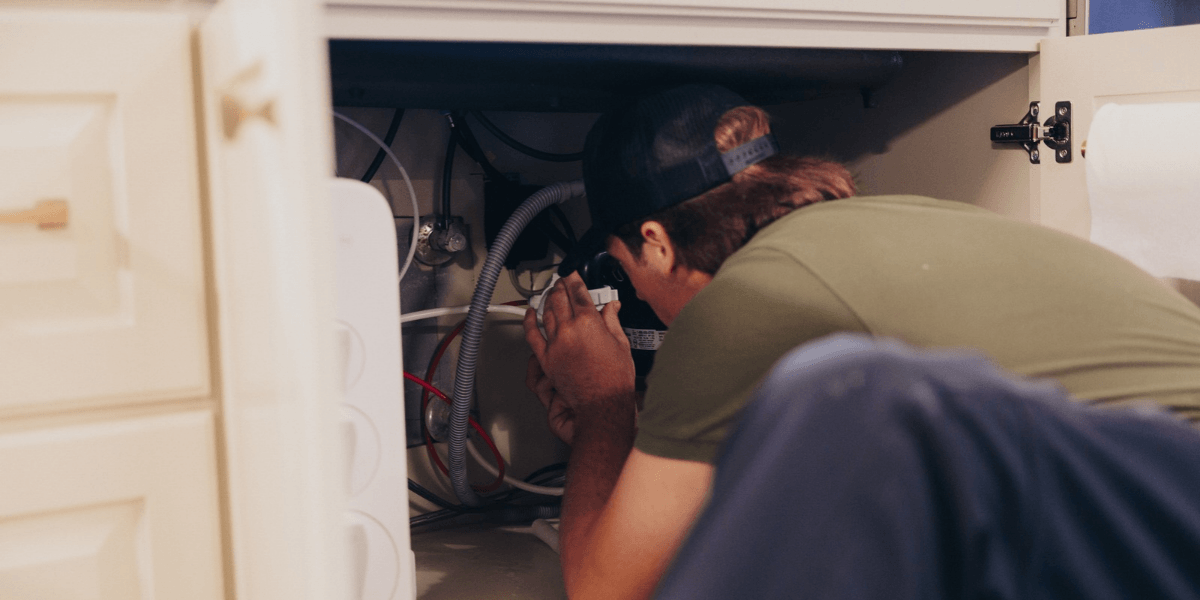
Most drain clearing jobs in Lafayette, Louisiana run $295 to $500. Sewer line replacement starts at around $2,000 and climbs with the length of...
Most people pick a plumber in a hurry, usually while something is leaking. The checks below take about five minutes and they're the difference...
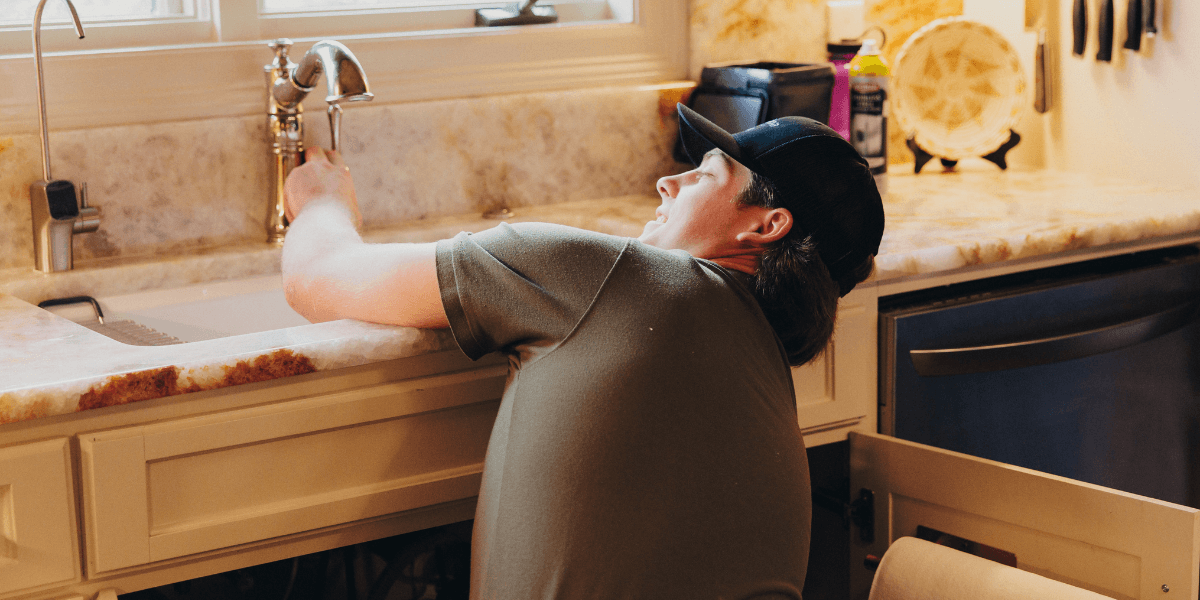
To shut off your water in an emergency, turn the main shutoff valve clockwise until it stops. In most Lafayette-area homes, that valve is either...