.png?width=1563&height=518&name=White%20Logo%20-%20Acadiana%20Rooter%20(1).png "White Logo - Acadiana Rooter (1)")

How to Shut Off Your Water During a Plumbing Emergency
To shut off your water in an emergency, turn the main shutoff valve clockwise until it stops. In most Lafayette-area homes, that valve is either...
6 min read
|
A rising water bill is usually caused by a leak somewhere in your home. Common sources include running toilets, dripping faucets, hidden pipe leaks in walls or slabs, or irrigation issues. Many of these leaks are silent, but they can be confirmed with a simple water meter test and repaired by a licensed plumber before causing serious damage. |
For homeowners across Lafayette, Broussard, and the wider Acadiana area, a rising water bill with no obvious explanation is one of the most common calls we get at Acadiana Rooter Plumbing. And in the vast majority of cases, the answer is the same: something is leaking. The tricky part is that the most expensive leaks are the ones you can't see.
In this post, we'll walk through the most common culprits behind an unexpectedly high water bill and tell you exactly when it's time to call in a professional for leak detection or pipe repair!

Yes, a running toilet is the single most common cause of a mysteriously high water bill, and it's more wasteful than most homeowners expect. A toilet with a faulty flapper or a worn fill valve can silently dump 200 gallons or more per day straight down the drain. That's nearly 6,000 gallons a month from a single toilet, often without making any noise loud enough to notice.
Signs your toilet might be running:
Here's a quick way to confirm it: drop a few drops of food coloring into the tank and don't flush for 15 minutes. If color shows up in the bowl, water is actively leaking past the flapper. That's your confirmation and that's when it's time to call us. What looks like a simple flapper issue often turns out to involve the fill valve or flush seat too, and getting a proper diagnosis now is always cheaper than patching the same problem twice.
Absolutely — a single faucet dripping once per second adds up to roughly 3,000 gallons of wasted water over the course of a year. Multiply that across two or three leaky fixtures and your bill can climb significantly, month after month, without any one fixture being the obvious culprit.
Common places to check:
Fixture leaks come down to worn internal components and the longer they go, the more damage builds up at the valve seat. What starts as a nuisance drip quietly gets worse, and the repair cost grows with it. If you're finding moisture under a sink or a faucet that won't fully stop, it's worth having a plumber take a look before it turns into a bigger job.
It absolutely could — and this is the cause that tends to do the most damage, because a pipe leak inside your walls, under your slab, or beneath your yard can run for months completely undetected. By the time it shows up on your bill, the water has often been doing damage to your foundation, flooring, or drywall the entire time.
Older homes in Acadiana are especially vulnerable. Galvanized steel pipes from the 1960s and 70s are well past their lifespan. Even copper pipes from the 80s and 90s can develop pinhole leaks — especially in our humid, corrosive Louisiana climate. Rusted pipes don't fail all at once; they seep slowly, silently, and expensively.
Warning signs of a hidden pipe leak:
If any of those sound familiar, do not wait. A hidden pipe leak that's caught early is a repair. One that's ignored for months can become a full slab or mold remediation job, both significantly more expensive than a pipe repair.
Yes, and it's more common than people think, especially during the warmer months in Acadiana. A stuck irrigation valve or a cracked underground line can run water continuously without anyone in your household noticing, because all of it drains straight into the ground rather than pooling somewhere visible.
The same goes for outdoor supply lines that run to a garden spigot or pool equipment. A hairline crack from tree root pressure or ground shift can lose hundreds of gallons a week without a single drop appearing at the surface.
A quick way to check: note your water meter reading, then avoid using any water — indoors or outdoors — for two hours. If the meter moved, you have an active leak somewhere on the property.
Before you call anyone, there's one quick test worth running — it takes about 20 minutes and tells you definitively whether you have an active leak on the property. Here's how:
If the meter moved, that's your answer — there's an active leak somewhere on your property. This test tells you a leak exists, but finding exactly where it is and fixing it right requires a professional. The sooner you call, the less damage it does.
If your water bill is climbing and your habits haven't changed, the answer is simple: something is leaking, and it's time to call a pro. Some leaks are easy to spot (a dripping faucet, a toilet that won't stop running), but the ones that do the most damage are usually the ones you can't see or find on your own.
There are situations where professional leak detection isn't just helpful, it's the only way to get a real answer:
Professional leak detection equipment — including acoustic sensors and pressure testing — can locate leaks that no visual inspection would ever catch. The longer a hidden leak sits, the more it costs you on your bill and in potential repairs. At Acadiana Rooter Plumbing, we'd rather you call us for a $150 inspection than a $3,000 repair down the road.
We're local, licensed, veteran-owned, and we do it right the first time, every time.

 At Acadiana Rooter Plumbing, we take pride in providing reliable, honest, and professional plumbing services across Lafayette, Broussard, Youngsville, and the surrounding Acadiana area. From drain cleaning and pipe repair to water heater installation and backflow testing, our licensed plumbers handle every job with precision and care. As a veteran-owned company, we’re committed to serving our community with integrity and craftsmanship you can trust.
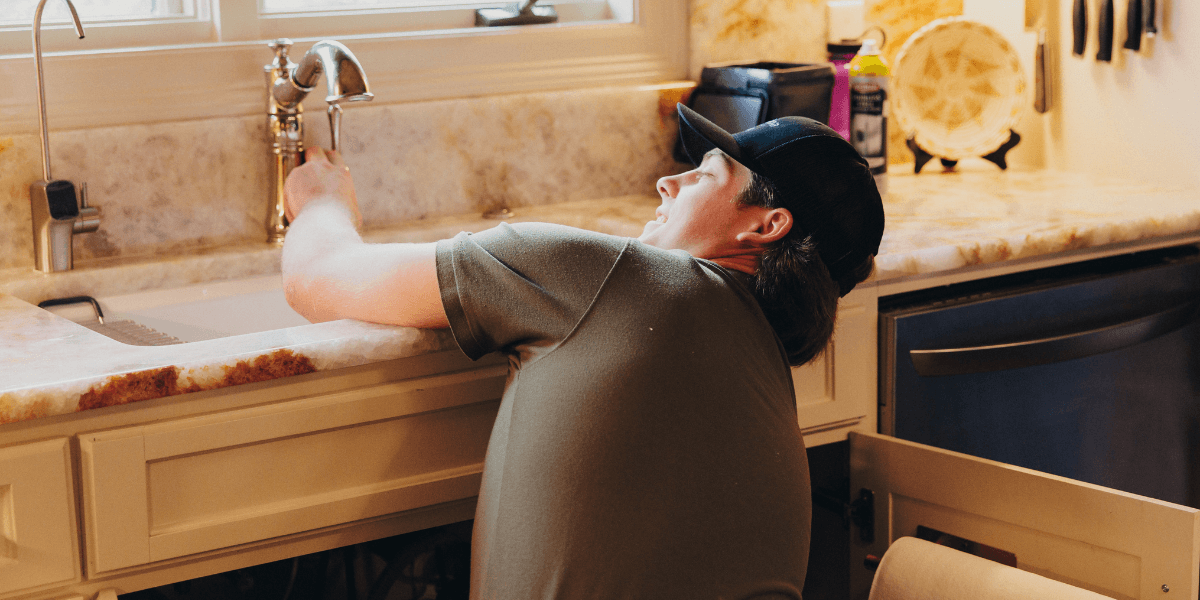
To shut off your water in an emergency, turn the main shutoff valve clockwise until it stops. In most Lafayette-area homes, that valve is either...
.png)
Acadiana Rooter Plumbing was proud to serve as a VIP Sponsor of the 2026 Broussard Independence Festival - a Fourth of July celebration hosted...
Most drain and sewer line damage in Louisiana homes traces back to three things: grease, wipes, and chemical drain openers - often used for...